








TL;DR:
- Iron and Vitamin D are the two most common deficiencies in cyclists and can destroy your performance
- Magnesium powers 300+ bodily reactions and active cyclists need roughly 20% more than sedentary
- Getting these nutrients from whole foods beats supplements every time, but strategic supplementation fills the gaps when diet falls short
- Women cyclists, vegetarians, and high-mileage riders face the highest risk of deficiency
Many cyclists are deficient in at least one critical vitamin or mineral—and it’s probably wrecking your performance without you even knowing it 😳.
Cycling demands specific nutritional support that your regular diet probably isn’t covering. Whether you’re grinding out fixed gear miles in the city or hammering road rides in the countryside, these 10 most important vitamins for cyclists make the real difference 🚴.
Editor’s note: I am not a doctor. Please speak to your doctor for professional medical advice.
A video titled “8 Performance Enhancing Supplements, Foods & Nutrients For Cyclists” from the Global Cycling Network YouTube channel.
1. Iron: The Oxygen Transporter Your Muscles Demand
Iron builds the red blood cells that carry oxygen to your muscles. Without enough, you’re riding with the parking brake on—whether you’re on a fixed gear or a road bike.
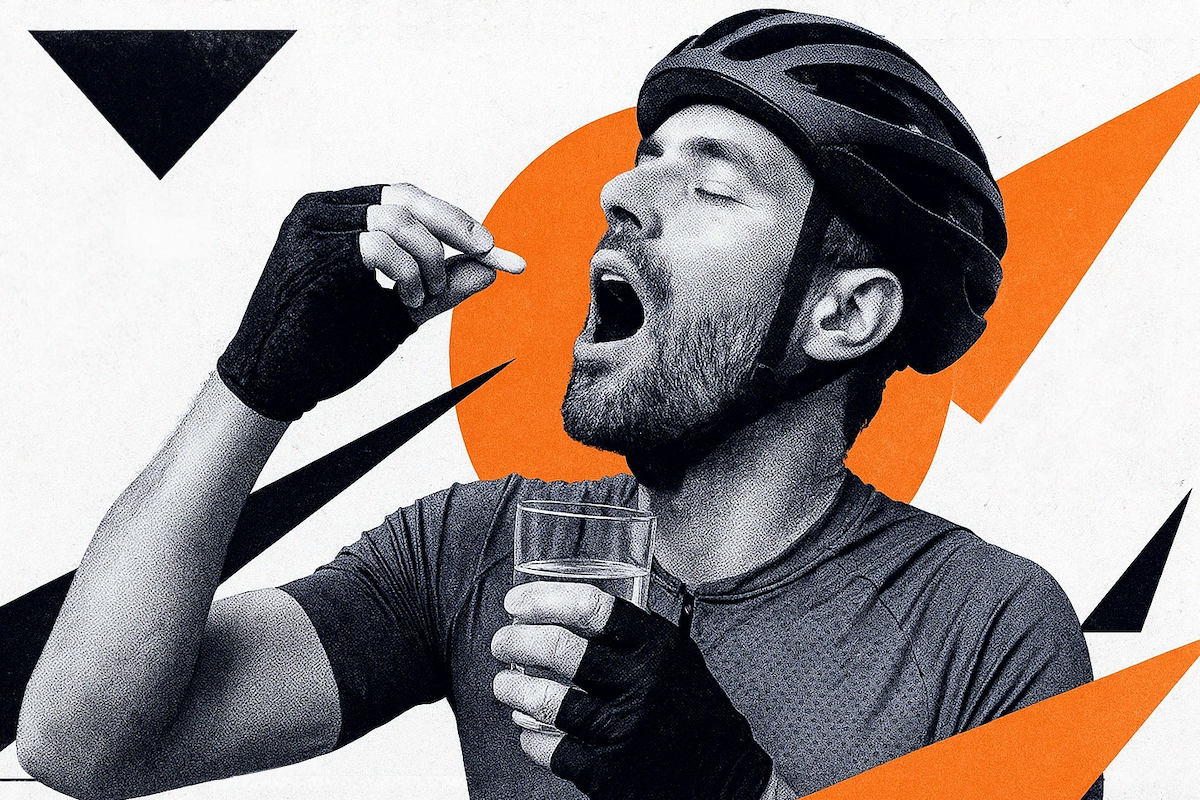
Iron deficiency is especially common among distance cyclists, females, and those eating predominantly plant-based diets.
Women ages 19 to 50 need at least 18mg daily, while older women and men need 8mg.
The fix? Eat heme iron from meat, poultry, and seafood—your body absorbs it way better than plant sources. Pair iron-rich foods with vitamin C sources like citrus fruits, peppers, and tomatoes to maximize absorption.
Top supplement brands include Ora Organics, BrainMD, and Thorne ($10-$30 per bottle). But don’t megadose—excess iron damages your heart.

Warning…
Never supplement iron without getting your levels checked first. Excess iron can cause heart problems and interfere with other mineral absorption. Always work with your doctor on iron protocols.
2. Vitamin D: The Sunshine Vitamin Most Cyclists Are Missing
Vitamin D is important for healthy bones, muscle, and immune system, and research shows that increasing vitamin D levels in the blood to 75-100 nmol/L can boost aerobic capacity, muscle force and growth. Even outdoor cyclists are often deficient from sunscreen use and indoor training.
The problem? So few foods are rich in vitamin D. You’d have to eat fish daily to hit your targets:
Food Sources
- Fatty fish like salmon, tuna, and mackerel are good sources
- Cheese and egg yolks only provide okay amounts
- Fortified milk helps but isn’t sufficient alone
Supplement with 1,000-5,000 IU of vitamin D3 daily (the most effective form). Stay under 125 nmol/L in your blood to avoid negative side effects. This is hands down one of the best supplements for cyclists.

3. Magnesium: The Mineral Most Riders Lack
Magnesium powers over 300 metabolic reactions in your body. It’s critical for bone health, energy production, proper cardiac rhythm, and can prevent or stop muscle cramps.
When you train hard or ride intensely, you sweat and urinate more, losing magnesium faster.
Active people need to up their intake by almost 20% to 420mg daily for men and 320mg for women.
Food Sources
- Almonds (1 oz = 80mg)
- Spinach
- Black beans
- Cashews and avocados
For supplementation, choose magnesium citrate or chelate formulas and split doses throughout the day.
Top brands:
Studies show endurance athletes who supplement with magnesium enjoy faster recovery times and better performance
4. Calcium: The Bone Builder You Lose Through Sweat
Calcium helps with muscle contraction and nerve transmission while facilitating growth of healthy tissues and bones. Like iron, it’s lost through sweat—not ideal when you’re one crash away from broken bones.
Female cyclists especially should get 1,200-1,500mg of calcium daily from food or supplements. If you don’t eat dairy, you likely need to supplement with the Citrate form—often in Cal-Mag-D combos.
Up to 1,500mg calcium per day paired with 1,500-2,000 IU/day of vitamin D are needed to optimize bone health in athletes with low energy availability or menstrual dysfunctions.
Best brands: Thorne, Designs for Health, NOW Supplements, Rootine ($10-$60). Take calcium at different times from iron to avoid absorption interference.

5. Zinc: The Immune and Recovery Vitamin
Zinc plays a huge role in muscle growth, repair, and maintenance. It’s also required for energy metabolism, helping your cells turn fats, carbs, and protein into ATP.
Our bodies cannot store zinc, so daily intake is crucial—and it’s lost through sweat.
Women need at least 8mg daily, men need 11mg. Vegetarians may need 50-100% more.
Food Sources
- Animal sources: Oysters, red meat, crab, poultry, pork
- Vegetarian sources: Pumpkin seeds, sesame seeds, cashews, garbanzo beans
- Note: Vegetarian sources contain far less
For supplements, aim for 5-10mg for maintenance or 25-45mg if deficient.
Top brands:
- Momentous Zinc ($0.31/serving, 15mg)
- Thorne Zinc Picolinate ($0.35/serving, 30mg)
- Klean Athlete Zinc ($0.20/serving, 10mg)
Don’t exceed 25mg daily without medical supervision.
6. Vitamin E: The Antioxidant That Protects Your Lungs
Vitamin E is a hugely important antioxidant, protecting your organs—especially those exposed to lots of oxygen, like your lungs—from oxidative damage. Critical if you ride in traffic sucking in exhaust fumes.
Adults need 15mg daily. Just one ounce of almonds (about 25 nuts) delivers more than a third of your daily requirement. Drizzle olive oil on vegetables, eat eggs, leafy greens, and fortified cereals.
The catch: some studies show supplementing with Vitamin E can hinder muscle gains. Get this from food. If you must supplement, choose natural D-alpha-tocopherol form.
While alpha tocopherol from olive and sunflower oil helps lung health, gamma tocopherol found in corn, canola, and soybean oil may reduce lung function over time.
7. B Vitamins: The Energy Metabolism Catalysts
B vitamins—including thiamin, riboflavin, niacin, vitamin B6, pantothenic acid, and biotin—function as co-enzymes for enzymes that catalyze reactions in energy metabolism. They convert food into fuel your muscles burn.
While B vitamin deficiency can impair performance, supplementing above the RDA doesn’t provide extra benefits. You need enough, but more isn’t better.
Folate and vitamin B12 are required for DNA synthesis and amino acid metabolism, making them essential for muscle repair and red blood cell production.
Food Sources
- Folate: Leafy greens, fortified cereals, nuts, legumes
- B12: Meat, dairy, eggs (vegans must supplement)
- For vegans: B12-fortified foods like nutritional yeast or cereal
Most quality multivitamins for cyclists cover B vitamins adequately—no separate supplementation needed unless you’re restricting calories or following a vegan diet.
8. Omega-3 Fatty Acids: The Anti-Inflammatory Essential
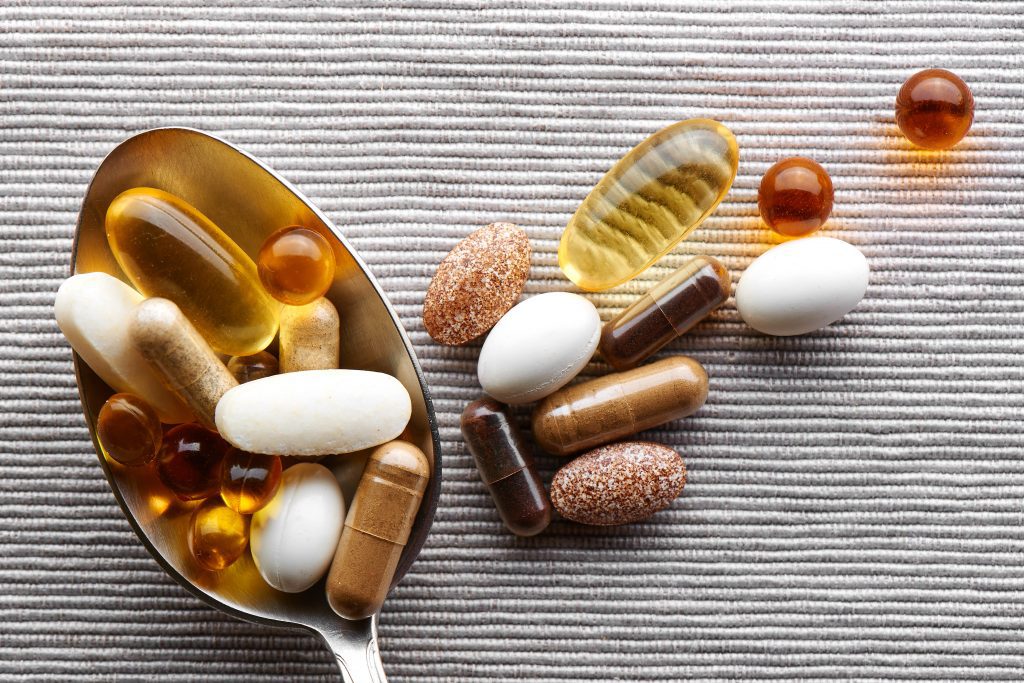
Omega-3 fatty acids support healthy inflammatory processes, brain health, heart health, and vision. For cyclists, the anti-inflammatory benefits matter most—your joints take a beating even on a fixed gear with its simpler mechanics.
Evidence suggests that 1.5-2g/day of EPA and DHA combined may help with endurance, recovery, and adaptation to training.
Food Sources
- EPA and DHA: Salmon, tuna, herring, sardines, trout
- Plant sources (ALA): Flaxseed, chia seeds, walnuts
- Note: Typical fish oil supplements provide only 180mg EPA + 120mg DHA, requiring multiple doses
Fish oils are recommended for everyone. Look for products with purity certifications to avoid contaminants.
9. Vitamin C: The Selective Immune Booster
Vitamin C keeps your immune system healthy, promotes eye health, combats cardiovascular diseases, and prevents wrinkles—the last one matters for cyclists constantly facing sun, dust, and wind.

Did you know?
Taking vitamin C can sometimes inhibit training adaptations, and antioxidants in supplement form can impair the body’s ability to repair itself. Don’t take it daily if you’re training hard.
Use it strategically: keep it around and take it when you feel a cold coming on.
Vitamin C is in almost every food—citrus fruits, tomatoes, peppers, kale, broccoli, strawberries—so deficiency is rare if you eat fruits and veggies.
Don’t waste money on daily vitamin C supplements. Save them for when you’re actually getting sick.
10. Electrolytes: The Performance Trio You Sweat Out
To avoid muscle cramps and dehydration problems, mineral salts are recommended, especially sodium, potassium, and magnesium.
You lose electrolytes through sweat—sometimes up to 3 liters per hour during intense riding.
During intensive endurance sports, it’s mostly sodium and chloride that are lost, along with significant losses of iron, zinc, copper, and chromium through urine.
Low blood sodium (hyponatremia) can quickly become a medical emergency, especially for competitive cyclists. Replace electrolytes throughout your ride—not just after.
Replace electrolytes three ways: salt capsules, isotonic drinks (which also contain carbohydrates), or mineral-enriched drinks. Many cyclists prefer isotonic drinks since they address hydration and fuel simultaneously.
Do: Proactive Electrolyte Replacement
- Consume electrolytes during rides, not just after
- Aim for 500-750ml per hour minimum
- Increase intake in hot/humid conditions
- Mix sodium, potassium, and magnesium sources
Don’t: Wait Until You’re Cramping
- Don’t ignore early signs of depletion (fatigue, dizziness)
- Don’t rely on water alone for rides over 90 minutes
- Don’t megadose magnesium (causes digestive issues)
- Don’t skip electrolytes on “shorter” rides if it’s hot
| Daily Magnesium Needs | Sedentary | Active Cyclists |
|---|---|---|
| Men | 420mg | ~500mg |
| Women | 320mg | ~380mg |
| Food Source (1 oz almonds) | 80mg | 80mg |
Frequently asked questions (FAQ)
The most important vitamins for cyclists are iron, vitamin D, and magnesium—these three are most commonly deficient in active riders. Iron carries oxygen to your muscles, vitamin D supports bone health and muscle function, and magnesium powers over 300 metabolic reactions. Women cyclists and vegetarians face higher risk of iron deficiency, while most cyclists (even outdoor riders) are vitamin D deficient due to sunscreen use and indoor training.
It depends on your diet and deficiencies. A quality multivitamin covers the basics if you’re eating under 2,000 calories daily or following a restricted diet. However, if you’re meeting your daily nutrition requirements through whole foods, you may not need a multivitamin. Get bloodwork done annually to identify specific deficiencies, then supplement those individually rather than taking everything. Individual supplements let you control dosages better than generic multivitamins.
Ideally, yes—but realistically, it’s challenging. While whole foods are always better than supplements, we tend to eat the same 20-30 foods every week, and your diet may not provide the full spectrum your body requires. Vitamin D is virtually impossible to get through food alone, and hitting magnesium targets on a plant-based diet takes serious planning. Most cyclists benefit from strategic supplementation of D, magnesium, and possibly iron.
Pro cyclist Breanne Nalder, MS, RDN, who races for Visit Dallas DNA Pro Cycling team, supplements with calcium, iron, and vitamin D as a plant-based athlete. Most pros focus on filling specific gaps rather than taking everything. Common supplements include vitamin D (nearly universal), magnesium (for recovery), omega-3s (anti-inflammatory), and iron (especially for female pros). They avoid unnecessary supplements like creatine and vitamin C for daily use.
Physical signs include dry skin, brittle nails, cold sores, low energy, frequent illness, slow wound healing, and muscle cramps. But getting a basic metabolic panel (BMP) once a year is the best way to find out what nutrients you’re missing.
Creatine has mostly been studied for sprint performance, but studies show potential benefits for road cyclists in time trials when combined with carbohydrates. The downside? Creatine causes water weight gain, which can cancel out sprint power gains. It’s more useful during off-season strength training than racing season.
Final Thoughts
Look, the best supplements for cycling won’t turn you into a Tour de France contender overnight. But fixing deficiencies in iron, vitamin D, or magnesium? That will stop you from hemorrhaging performance on every ride—whether you’re cranking up hills on gears or grinding through the city on a fixed gear.
Stop buying into marketing hype about “cycling performance enhancing supplements” that promise the moon. Focus on the fundamentals: get bloodwork done, eat whole foods first, and supplement strategically where your diet falls short.
Which of these cycling vitamins are you deficient in? Get tested and find out—then come back and tell us which one made the biggest difference in your riding.
Sources and references
- Vitamins and Minerals for Cyclists – Velo
- Top 3 Cycling Vitamins and Minerals – MBS Blog
- Best Supplements for Cyclists Based on Biomarkers – Elo Health
- Common Nutritional Deficiencies For Cyclists | Bicycling
- Supplements for Cyclists | Cycling Weekly
- Best Supplements For Cycling | Metagenics UK
- 11 Best Supplements for Cycling – Athletic Insight