Foot Retention for Fixed Gear Bikes: Different Types & How to use Them (And Why You Actually Need It)
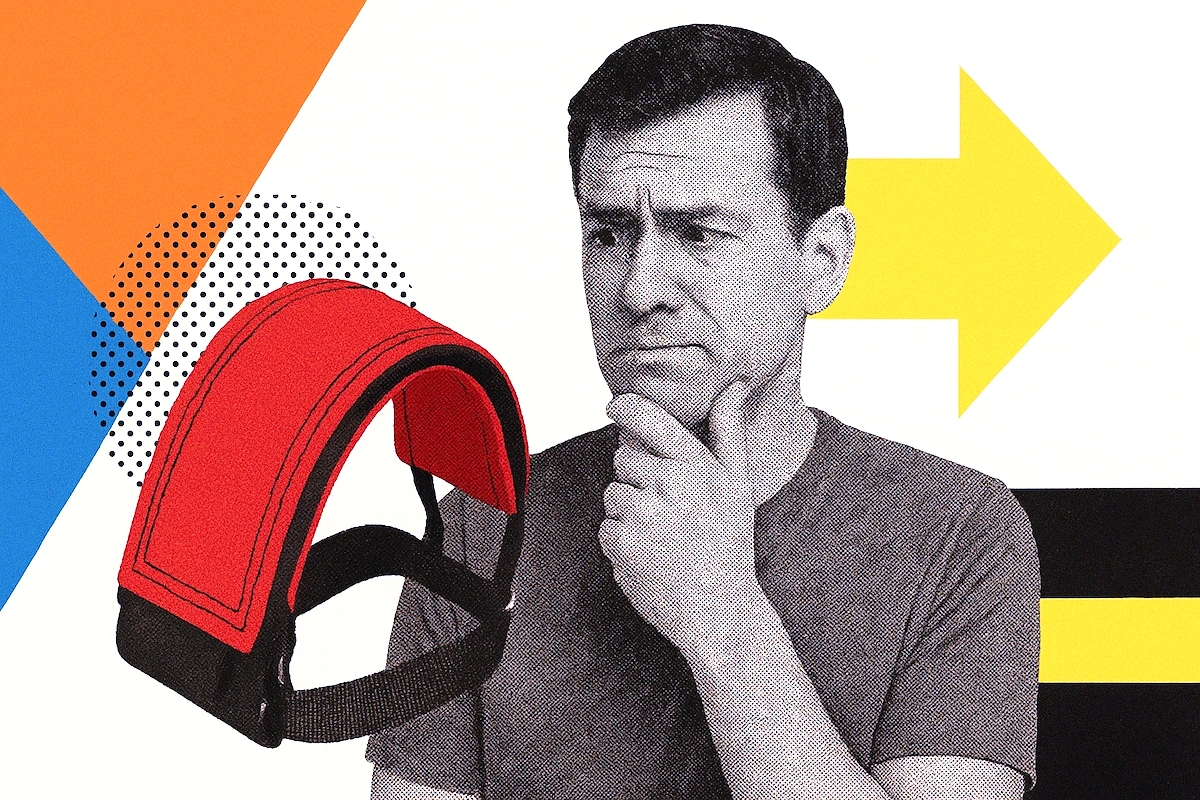
Explore the benefits of foot retention for fixed-gear cycling and boost your ride’s safety and efficiency.

Welcome to the Accessories & Apparel section of our fixed gear cycling blog! Here, we cover everything you need to know about the essential gear that will elevate your fixed-gear cycling experience to new heights. From stylish and functional apparel to top-of-the-line bike accessories, we’ve got you covered.
Whether you’re looking for the perfect saddle to ensure a comfortable ride, a sturdy lock to keep your beloved fixed gear bike safe and secure, or the latest and greatest cycling shoes to help you power through every ride, we’ve got all the insider information you need. So buckle up, gear up, and get ready to take your fixed-gear cycling game to the next level with the hottest accessories and apparel on the market. Let’s ride!
Explore the benefits of foot retention for fixed-gear cycling and boost your ride’s safety and efficiency.
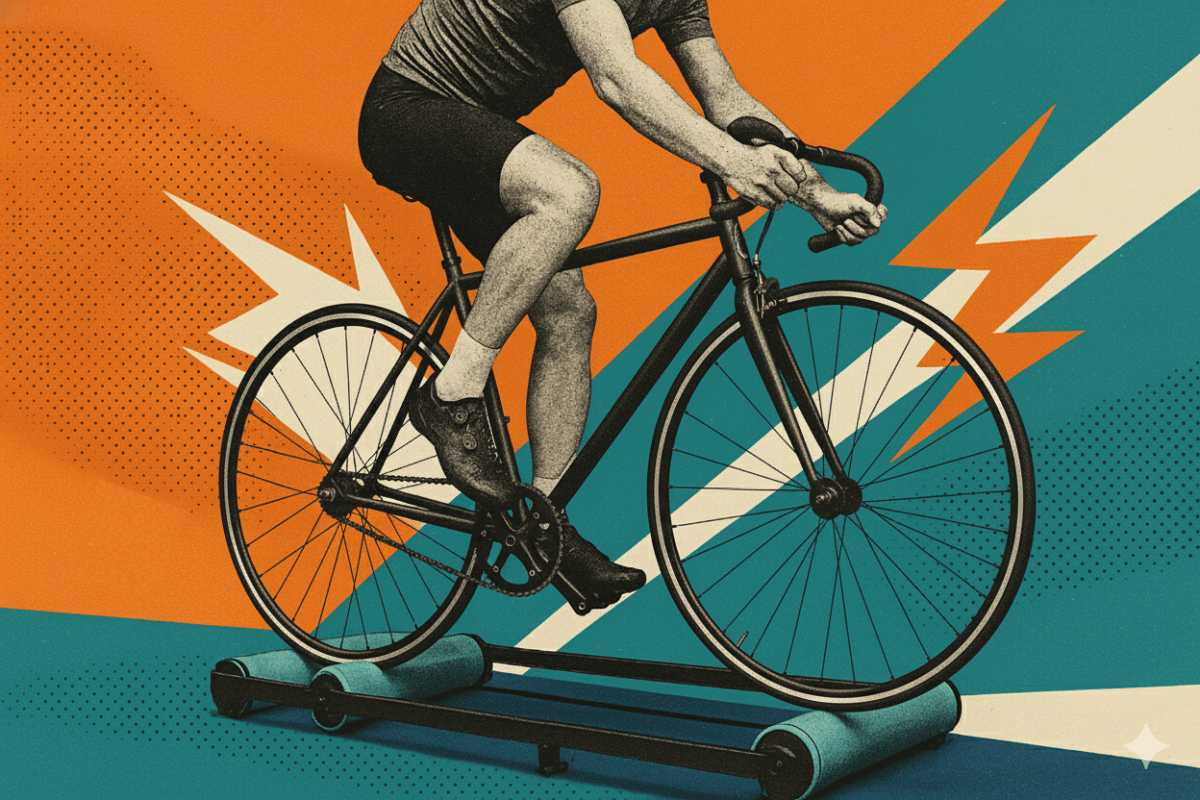
Rollers improve pedal technique and balance—but are they worth the boredom? 🤔 What bike rollers actually do vs. marketing hype for fixed gear riders.
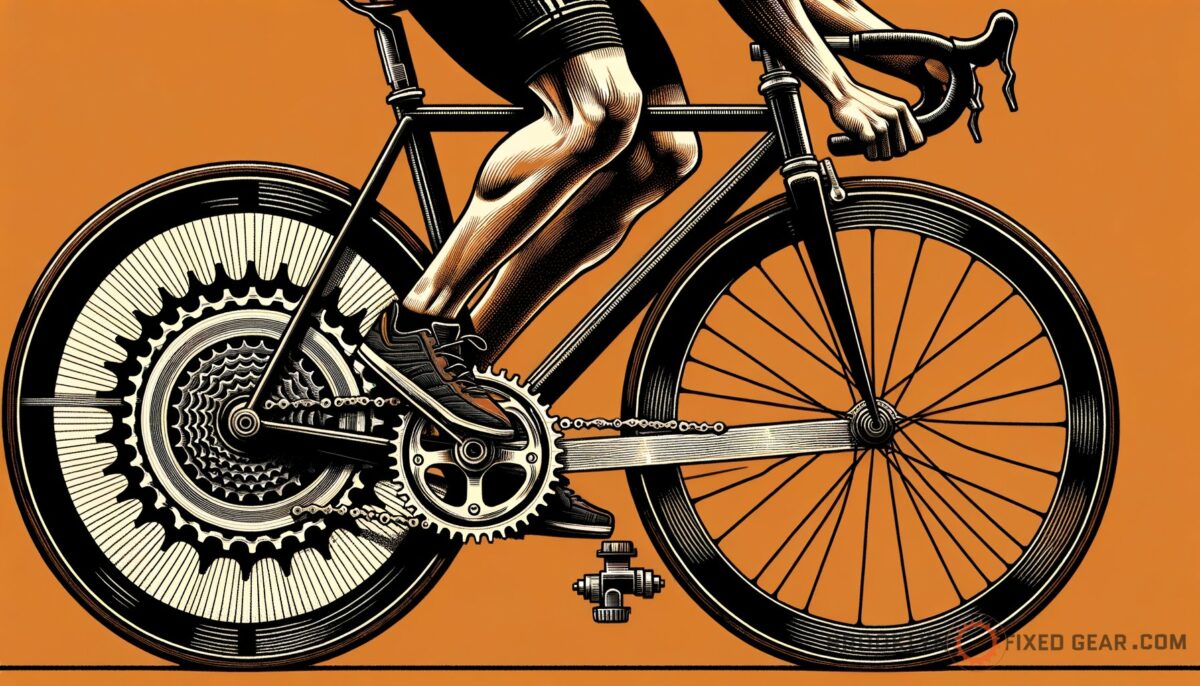
Explore the role of granny gears in cycling and how they shape your ride’s ease and efficiency.
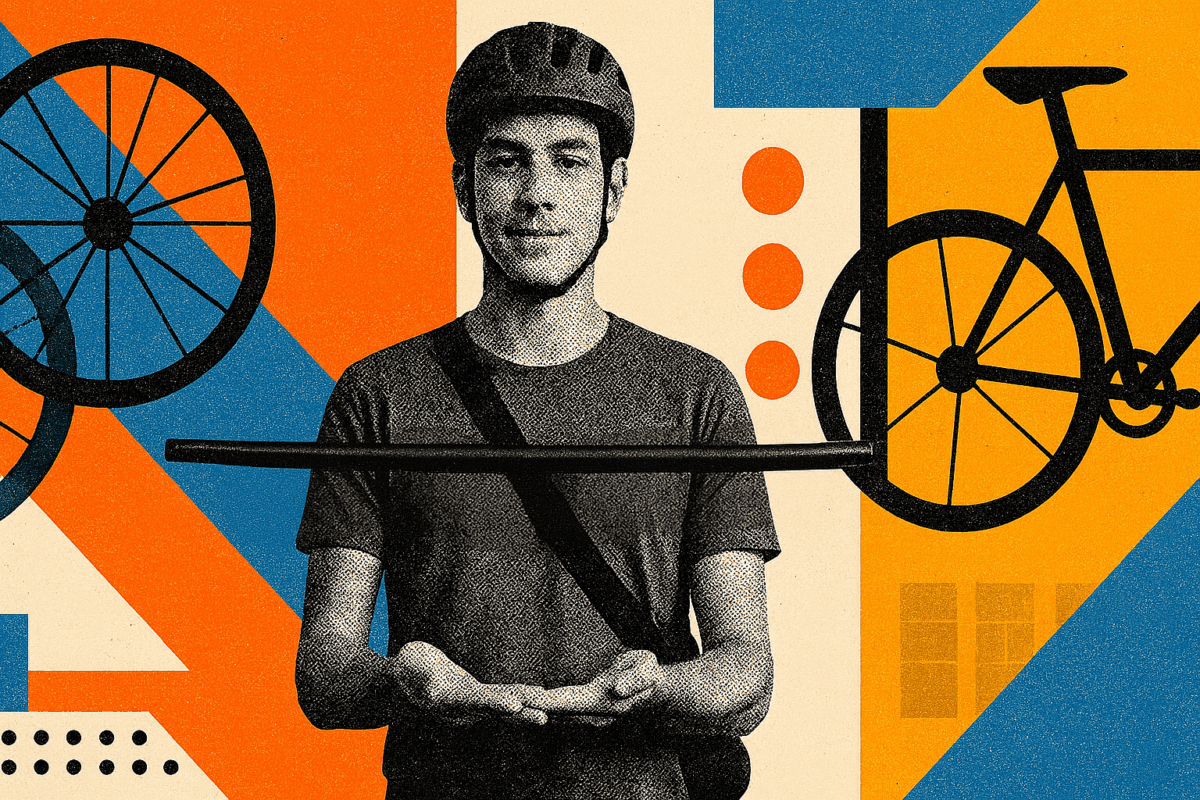
This guide breaks down flat bars—and the factors that actually matter when buying—backed by real specs versus what just looks good on Instagram.

Master urban cycling style with tips on weatherproofing and chic gear essentials.

A good set of front lights on your bike are essential for safety. Here’s my list of the top three lights you can buy for your bike.
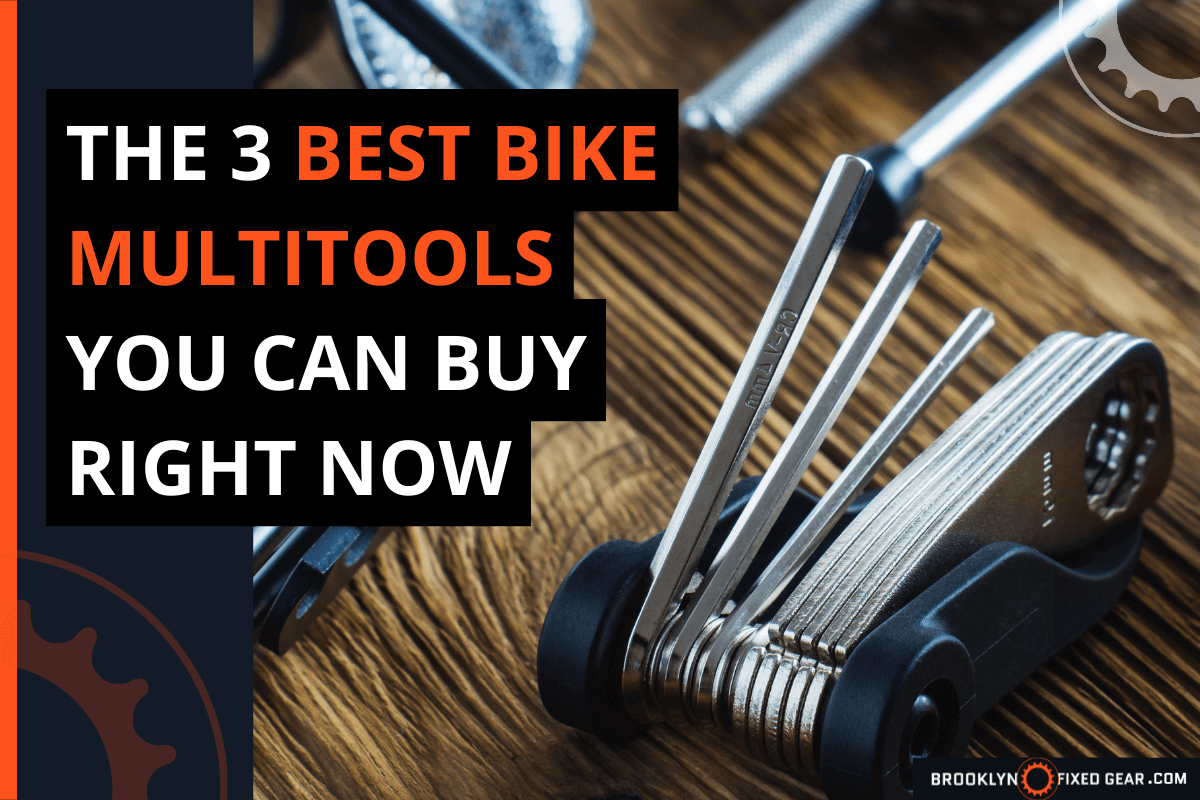
Bike tools are necessary to keep your bicycle in good condition. Read on to learn the five best bicycle tools for keeping your bike in top condition!

Are you looking for the best bike fenders that will keep you safe while you’re riding? Take a look at our list and find the perfect fit for you!

In this article, we explain what makes a good bike messenger bag, and list five of the best available today, so you can ride in comfort and style.
Fixed Gear Focus Gear is your source for fixie, single-speed, & track bike content. Here are some answers to the most frequently asked questions to regarding fixed-gear cycling.
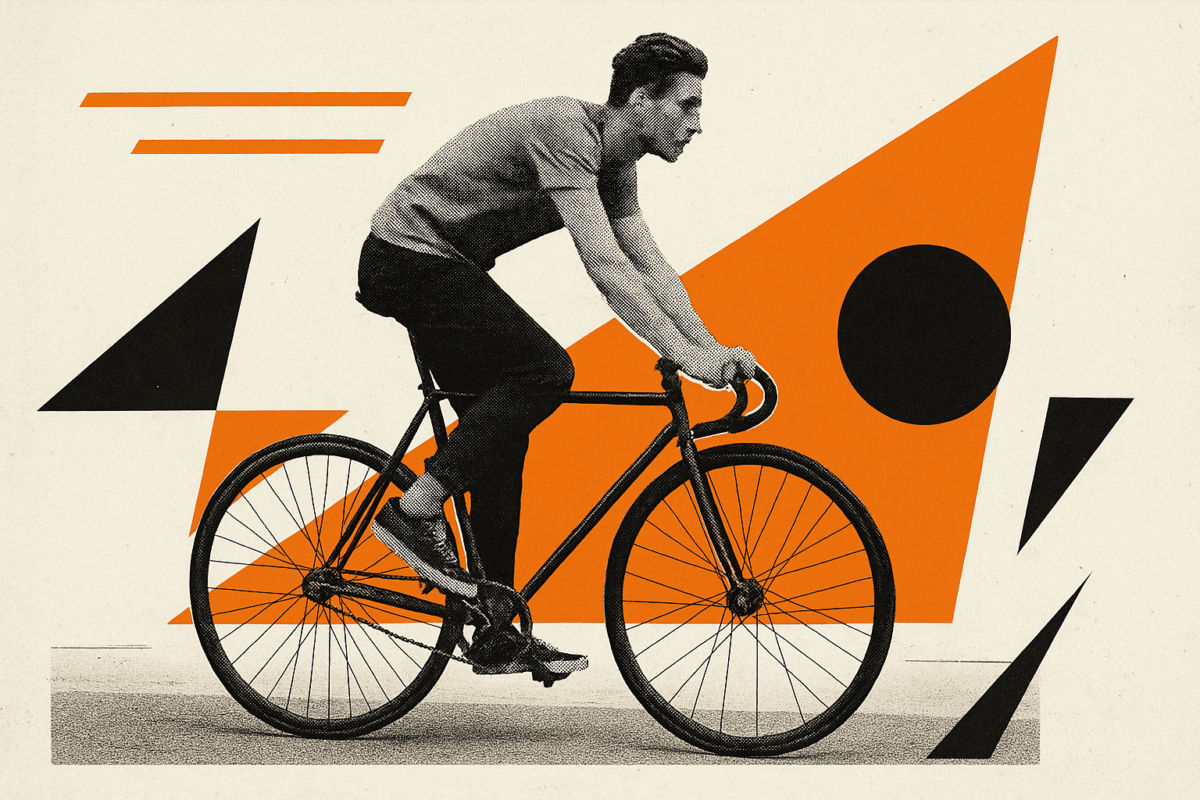
A fixed gear bike (or "fixie") is a bicycle where the rear cog is directly connected to the rear wheel with no freewheel mechanism. This means the pedals always move when the wheels are moving—you can't coast. When you pedal forward, you go forward. When you pedal backward, you go backward. This direct connection gives you complete control over your speed and creates a unique riding experience that many cyclists find more connected and engaging than traditional bikes.
Riders love fixed gear bikes for their simplicity, low maintenance, and pure riding feel. With fewer components (no derailleurs, shifters, or complex drivetrain), there's less to break and maintain. Many find the constant pedaling motion improves their pedal stroke efficiency and builds leg strength. Fixed gear bikes are also incredibly affordable, making them perfect for urban commuting, bike messengers, and anyone who wants a reliable daily rider. Plus, the minimalist aesthetic and customization options appeal to cycling enthusiasts who want a bike that reflects their personal style.
There's definitely a learning curve, but most people adapt within a few rides. The biggest adjustment is not being able to coast—your legs must keep moving. Start in an empty parking lot to get used to the constant pedaling and learn to slow down by resisting the pedals. Many beginners find that riding with at least a front brake helps build confidence while learning. After a week or two, the fixed gear motion becomes second nature and feels completely natural.
Legally and practically: yes, you should have at least a front brake. While experienced riders can slow down by resisting the pedals (called "skidding"), this technique isn't reliable for emergency stops and wears through tires quickly. Most jurisdictions require at least one brake on bicycles ridden on public roads. A front brake gives you much better stopping power and makes fixed gear riding safer and more practical, especially in traffic or when riding in wet conditions.
Both bikes have one gear, but that's where similarities end. A single speed bike has a freewheel, meaning you can coast when you stop pedaling—just like a regular bike but without gear shifting. A fixed gear bike locks the cog to the wheel, so the pedals must always move when the bike is moving. Many fixed gear bikes come with flip-flop hubs that let you switch between fixed and freewheel modes by flipping the rear wheel around, giving you the best of both worlds.
Absolutely! Fixed gear bikes are actually excellent for beginners because of their simplicity. With no gears to shift or complicated components to maintain, new riders can focus on basic cycling skills. The constant pedaling motion naturally teaches smooth pedal technique and bike handling. Start with a flip-flop hub so you can practice on the freewheel side first, then switch to fixed when you're ready. Many cycling coaches recommend fixed gear bikes for winter training because they develop efficient pedaling habits that carry over to all types of riding.
Twitter (X)
Best fixie bikes
Best fixie brands
Best bike locks
Best bike helmets
Online cycling tools
Bike size calculator
Gear ratio calculator
About us
Contact us
Jobs and careers
Editorial standards
My account
Refund and return
Fixed Gear Focus is a participant in the Amazon Services LLC Associates Program. This means we may earn a commission if you buy something through our Amazon links at no extra cost to you.
Fixed Gear Focus © 2026
850 Euclid Ave Ste 819 #2053 Cleveland, Ohio 44114