TL;DR:
- Brevets are timed, long-distance cycling events ranging from 200km to 1200km (125-750 miles) with generous time limits
- Entry costs just $10-60 per event, making brevets remarkably cheaper than gran fondos or races that can run $100-200+
- It’s pass/fail, not competitive—finish within the time limit and you’re listed alphabetically with everyone else
- Self-sufficiency is mandatory between checkpoints, meaning no support vehicles and you’re on your own for navigation, repairs, and dealing with whatever the weather throws at you
Ever hear cyclists casually mention they “did a brevet last weekend” and nod along like you know what they’re talking about? 🤷 Yeah, me neither—until I started digging into this whole randonneuring thing.
There’s a quiet community of absolute mad lads regularly cranking out 125-mile rides before lunch. And they’re doing it without support vehicles, without prizes, and often through the night with nothing but a brevet card and sheer determination.
Now, I haven’t done one myself yet, but after researching what these events are all about, I’m equal parts fascinated and terrified. ⚡
This guide breaks down exactly what brevets are, how they work, and why people get genuinely obsessed with collecting those finisher cards like Pokémon.
A video titled “6 Golden Rules For Endurance Cycling | Advice From Experts Mark Beaumont And Laura Penhaul” from the Global Cycling Network YouTube channel.
What Is a Brevet? (The Basics)
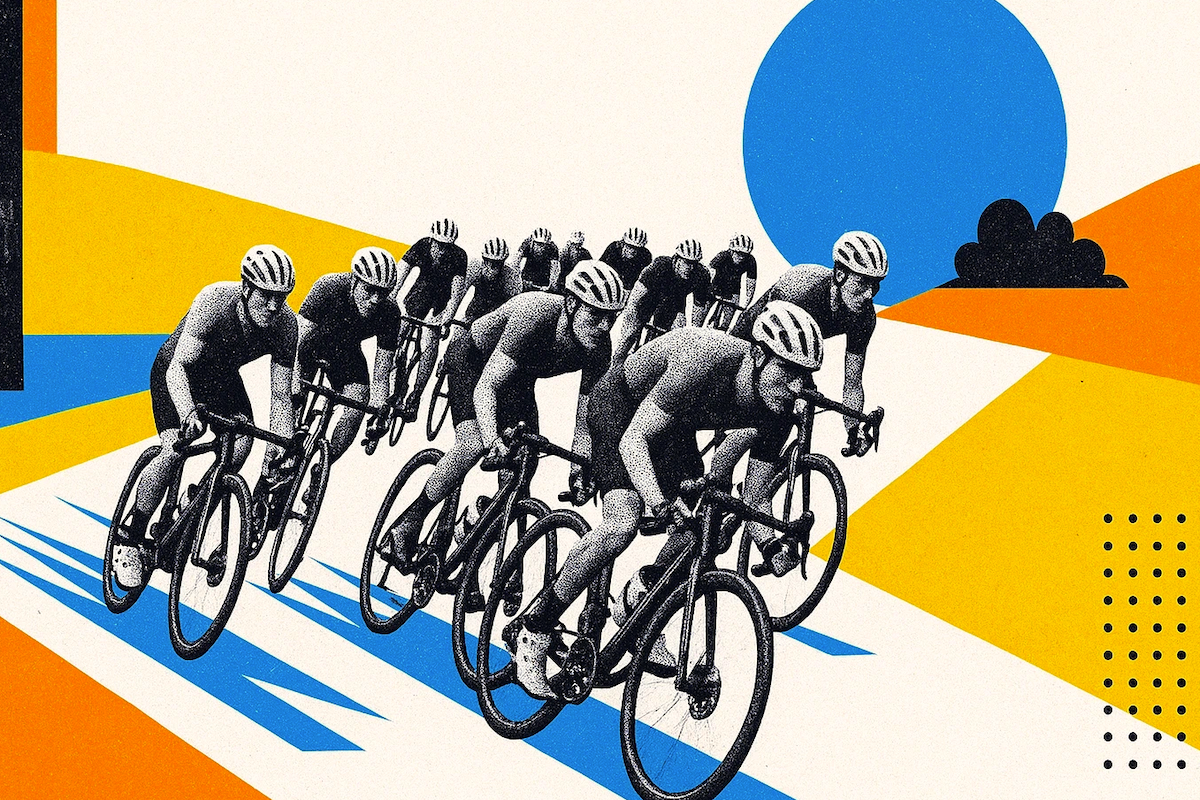
A brevet (pronounced “bruh-vay”) is a long-distance, self-supported cycling event where you follow a designated route, pass through checkpoints, and finish within a specific time limit.
The word is French for “certificate” or “diploma,” which makes sense because completing one gets you an actual numbered certificate from France—more on that later.
Here’s what makes brevets different from your typical group ride: they’re part of randonneuring (rahn-doe-ner-ing), which is basically the cycling world’s version of ultra-endurance challenges.
Think of it as the difference between running a 5K and doing an ultramarathon, except you’re on a bike and there’s no finish line crowd cheering you on.
The minimum distance for a “real” brevet is 200 kilometers (about 125 miles). That’s already more than a century ride, and that’s just the starting point. From there, distances go up to 300km, 400km, 600km, and eventually the legendary 1200km (750 miles) events.

Did you know?
The first recorded audax cycling event happened on June 12, 1897, when twelve Italian cyclists tried to ride from Rome to Naples—230 kilometers in daylight hours. That’s how this whole thing started: Italians trying to prove they were audax (audacious). The modern “free-paced” format where you ride at your own speed began in 1921.
But here’s the thing: brevets aren’t races. There are no prizes, no podiums, no one screaming your name as you cross the finish line.
You’re competing against the clock and yourself, not other riders. Finish within the time limit? You get your certificate. Don’t finish? Better luck next time.
The whole thing is governed by the Audax Club Parisien (ACP) in France, which has been running these events since 1904. In the US, Randonneurs USA (RUSA) coordinates everything and sends your results to France for official certification.
Your name literally gets added to an honor roll that dates back to 1921.
How Brevets Work (The Rules That Matter)

Alright, so you show up to a brevet start. What actually happens? You get handed a brevet card—basically a passport for cyclists—and a cue sheet showing the route.
That card is your life for the duration of the event. Lose it, and your ride is over. No exceptions.
The card gets stamped or signed at each control (checkpoint) along the route to prove you actually followed the course and didn’t take any shortcuts. Controls are typically spaced every 30-65 miles, and they’re usually at convenience stores, gas stations, or sometimes manned rest stops if you’re lucky.
At each control, you need proof of passage—a stamp, receipt, or answer to an information control question. No proof means disqualification, even if you’re 200 miles in.
The time limits are generous but unforgiving. You need to maintain an average speed of about 8-9 mph to finish within time—that includes all your stops, mechanicals, and that moment when you’re questioning your life choices on a climb at 2 AM.
| Distance | Miles (approx) | Time Limit | Average Speed Needed |
|---|---|---|---|
| 200km | 125 miles | 13.5 hours | ~9.3 mph |
| 300km | 187 miles | 20 hours | ~9.4 mph |
| 400km | 250 miles | 27 hours | ~9.3 mph |
| 600km | 375 miles | 40 hours | ~9.4 mph |
| 1000km | 620 miles | 75 hours | ~8.3 mph |
| 1200km | 750 miles | 90 hours | ~8.3 mph |
Once you finish, you turn in your brevet card to the organizer. Weeks later, you get it back with an official homologation number (certification sticker) from the ACP in France. Keep these cards—you’ll need the certification numbers to qualify for bigger events like Paris-Brest-Paris.
A big part of randonneuring is learning how to get in and out of controls fast. Don’t ever think of them as rest stops—your goal is to buy something edible or drinkable, get the card signed and get a receipt, and get rolling again. Eat while you ride, just pedal slower for a bit.
—Reddit user u/Carbonfiberboy on r/bicycling
The clock is always running, whether you’re pedaling, eating, sleeping, or fixing a flat. That’s what makes the challenge interesting—it’s about efficiency and determination, not just fitness.
Brevet vs. Other Rides (What Makes It Different)
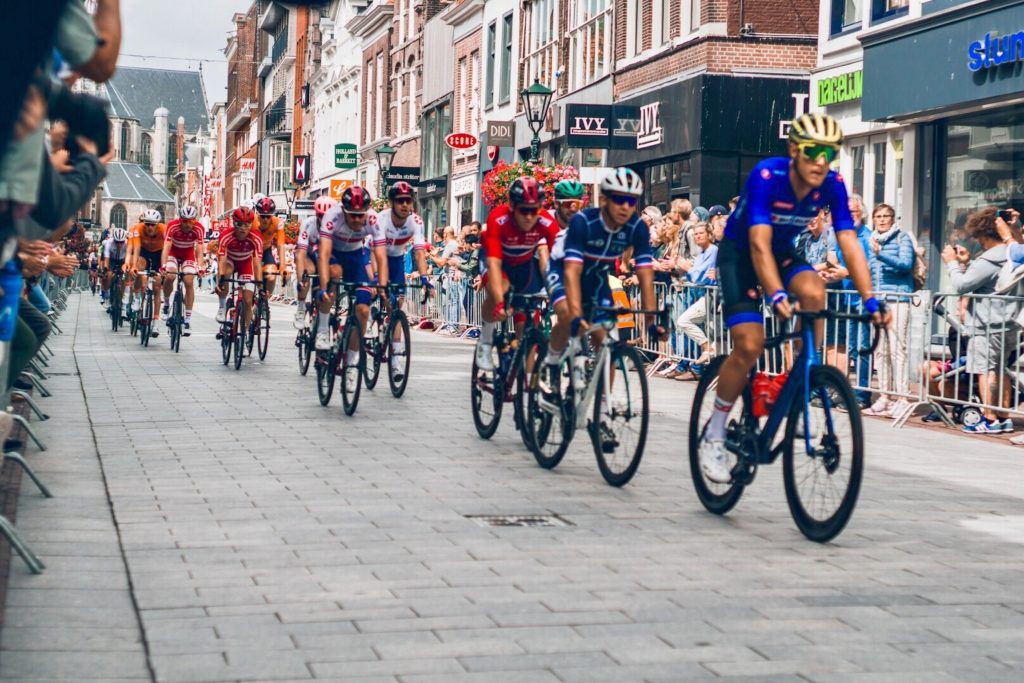
So you might be thinking: “How is this different from a century ride or a gran fondo?” Fair question. Let me break it down.
It’s not a race.
I know I already said this, but it bears repeating because it fundamentally changes everything. When results are posted, they’re in alphabetical order, not by finishing time. First place? Doesn’t exist.
The person who finishes in 9 hours gets the same recognition as someone who rolls in at 13.5 hours. Both get a medal, both get a certificate, both are successful randonneurs.
It’s not a gran fondo.
Gran fondos have timing chips, age-group rankings, sag wagons, aid stations every 15 miles with volunteers handing you bananas, and sometimes even a pasta party at the finish. Brevets have… a cue sheet and your own resourcefulness.
You’re expected to be self-sufficient between controls. Run out of water? Better find a convenience store. Get a flat? Fix it yourself. Bonk because you didn’t bring enough food? That’s on you.
It’s not a charity ride.
There’s no cause, no fundraising minimum, no matching jerseys. The entry fee ($10-60, typically around $20) just covers basic organization costs. Compare that to a typical gran fondo or charity ride that can run $100-200+ and you start to see the appeal for budget-conscious riders.
Brevet
- Self-supported (no sag wagon)
- Cue sheet navigation only
- Controls 30-65 miles apart
- $10-60 entry fee
- Results in alphabetical order
- Finish = certificate + medal
Century/Gran Fondo
- Support vehicles available
- Marked course with arrows/signs
- Aid stations every 10-20 miles
- $50-200+ entry fee
- Timed results with rankings
- Finish = medal + maybe a t-shirt
The culture is different too. One rider on Bicycling.com described their first brevet:
“The overarching takeaway from riding my first brevet was that the vibes were exceptionally good. From signing up for the event, emailing with the organizer, to showing up the day of, folks were genuinely friendly and excited to welcome a new rider to the scene.“
What You Actually Need for a Brevet
Good news: you probably already have most of what you need sitting in your garage. Brevets have a “big tent” philosophy when it comes to equipment—pretty much any human-powered vehicle is allowed, as long as you’re the engine.
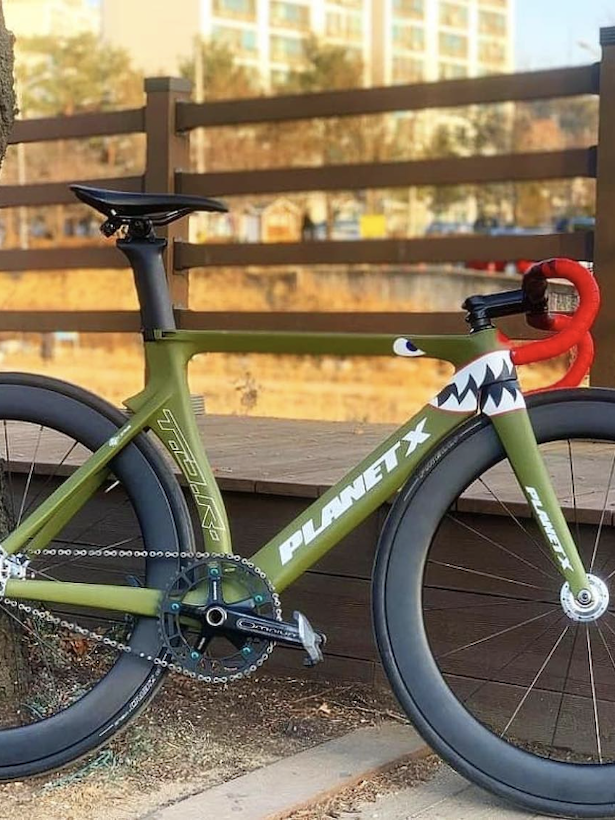
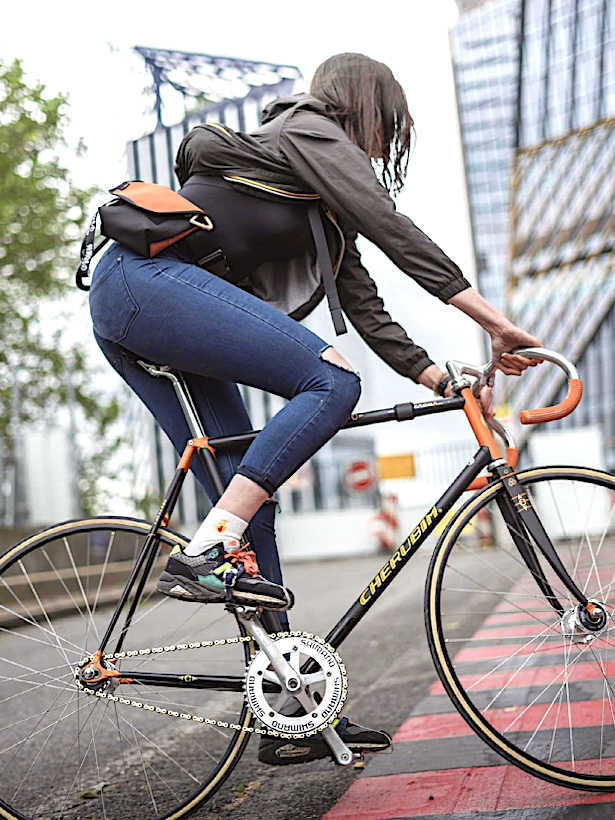
The bike: Road bike? Great. Gravel bike? Perfect. Touring bike? Obviously. Fixed gear? Hell yeah. Recumbent? Absolutely.
According to multiple experienced randonneurs, any comfortable bike will work. The bike doesn’t matter as much as you think.
That said, you’ll want something that’s comfortable for long distances. We’re talking 8-15+ hours in the saddle.
If your race bike makes your hands go numb after two hours, maybe reconsider.
For 200km brevets (if finishing before dark)
- Basic repair kit (spare tubes, tire levers, pump, multi-tool)
- Water bottles and some food
- Cue sheet or GPS
- Cash for controls
- That’s basically it
For 300km+ brevets (night riding likely)
Front white headlight (visible from 500 feet), rear red taillight—at least one must be steady, not flashing (visible from 600 feet), reflective vest or sash with at least 30 square inches of rear-facing reflectivity, reflective ankle bands on both legs, spare batteries or backup lights, and everything from the 200km list.
The lighting requirements aren’t suggestions—show up without proper lights for a 300km+ brevet and you might not be allowed to start.
Warning…
Backup lighting is crucial. If your primary light dies and you can’t fix it roadside, your ride is over—even if you’re 200 miles in. Many riders carry backup headlamps or battery packs. The middle of nowhere at 2 AM is not the time to discover your battery life estimates were optimistic.
Overall, the gear that really matters is proper clothing for variable weather, enough food and water to get between controls, repair tools, and the mental fortitude to keep pedaling when it’s cold, dark, and you’re questioning every life decision that led you to this moment.
Why People Get Obsessed With Brevets
Why would anyone voluntarily ride 125+ miles with no prizes or support? After diving into ride reports and forums, it’s starting to make sense.
The challenge is the point.
There’s something satisfying about achieving a difficult goal purely for yourself—no external validation needed. One rider called it “a test of endurance, self-sufficiency and bicycle touring skills.”
The community is genuinely welcoming.
Unlike competitive cycling scenes, randonneuring is inclusive and supportive. Without competition, there’s no tension. Fast and slow riders are equally successful if they finish, and people help each other with mechanicals. It’s about personal progression. And the fact that randonneuring is noncompetitive makes it open to personal interpretation.
Collecting distances becomes addictive
Riders cherish brevet completion cards like passport stamps. The numbered certificates from France aren’t participation trophies—they’re proof you did something genuinely difficult.
One George S., Hudson Valley Randonneurs on Chasingmailboxes.com explained his love for the 600km distance:
“This event seems like a real, unalloyed adventure. On a 600K, it feels like anything can happen. The challenge of how much sleep you’ll need and riding at night are thrilling components.“
Frequently asked questions (FAQ)
Nope. Any bike you’re comfortable on for long distances will work—road bike, gravel bike, touring bike, even a well-set-up fixed gear. People have completed Paris-Brest-Paris on everything from carbon race bikes to vintage steel tourers. The only requirement is that it’s human-powered by you (no e-bikes). That said, if you’re planning to do longer brevets regularly, something with comfortable geometry, space for fenders and a bag, and reliable components will make your life easier.
Absolutely. If you can comfortably ride a century (100 miles), you can do a 200km brevet. The time limits are generous—you need to average about 9 mph including stops, which is very doable for most recreational cyclists. Many riders start with a “populaire” (100-199km) to get comfortable with the format before tackling a full 200km. Each distance prepares you for the next, so there’s a natural progression. Just manage your stops efficiently and keep moving.
Entry fees typically range from $10-60, with most around $20-30. You’ll also want a RUSA membership ($20-30/year), which isn’t technically required but gives you access to results, qualifies you for awards and PBP, and includes a quarterly magazine and handbook. For food and supplies on the route, budget maybe another $20-40 depending on the distance. All in, you can do multiple brevets for what a single gran fondo or race entry would cost.
You DNF (Did Not Finish) and that’s it—no certificate, no medal, no official result. But here’s the thing: nobody treats you like you failed. The randonneuring community understands that mechanicals happen, weather can turn nasty, and bodies don’t always cooperate. Many riders DNF their first attempt at a new distance and come back to conquer it later. It’s seen as part of the journey, not a personal failure. You can always try again.
You can do either. Some riders prefer the solitude and solo adventure aspect, while others ride in groups for safety, navigation help, and companionship. Drafting is allowed (unlike some ultra events), so riding together can actually help you finish faster or with more energy to spare. Just remember: everyone’s responsible for their own navigation, mechanicals, and finishing within the time limit. You can’t rely on someone else having your spare tube.
Riding at night is required for brevets 300km and longer, and while it takes some getting used to, many riders find they actually enjoy it. The traffic dies down, temperatures cool off, and there’s something peaceful about pedaling under the stars. The key is having reliable lighting (plus backups), wearing proper reflective gear, and managing your energy so you’re not completely exhausted when darkness hits. Some riders even prefer night sections because the glare is gone and the roads are quieter. That said, test your lights on a night ride before your first brevet—discovering your battery only lasts two hours when you need it for eight is a bad time.
Final Thoughts
I’ll be honest—brevets sound absolutely brutal. The idea of riding 125+ miles with limited support, potentially through the night, with nothing but a brevet card and my own stubbornness to get me through? It’s intimidating as hell. But that’s exactly what makes them intriguing.
These aren’t events for people chasing podiums or Instagram glory. They’re for riders who want to test themselves against a challenging goal without the pressure of competition.
The fact that results are listed alphabetically—that the rider who finishes in 10 hours gets the exact same recognition as someone who crosses the line at 13.5 hours—fundamentally changes the vibe. Everyone who finishes is equally successful.
Will I ever do one? Maybe. The 200km distance feels…possible? Terrifying, but possible. And that might be the whole point—choosing a challenge that scares you a little, one that has nothing to do with beating anyone else and everything to do with seeing what you’re capable of when it’s just you, your bike, and the open road.
If you’re “rando curious” (yes, that’s apparently what they call it), find your local RUSA chapter and check out what brevets are happening near you. Start with a 200km, see if it clicks.
Sources and references
- Randonneuring – Wikipedia
- Randonneurs USA (RUSA) Official Website
- RUSA Rules for Riders
- RUSA Terminology
- Bicycling Magazine – My First Brevet Experience
- Bikehacks – A Beginner’s Guide to Randonneuring
- René Herse Cycles – 10 Common Misconceptions About Randonneuring
- Salt Lake Randonneurs – What is a Brevet?
- Davis Bike Club – Randonneuring
- RUSA Reflectivity Guidelines
- RUSA Frequently Asked Questions